"Borderline" Was a Word I Heard for Three Years. Then I Stopped Accepting It.
I'm 51 years old. I spent most of my career as a high school principal — a job that runs on controlled stress, long days, and the kind of constant decision-making that leaves you reaching for whatever is quick and available at 3pm. I've always been health-conscious in the general sense. I knew what to eat, roughly how much to move, and what the labs were supposed to show.
What they actually showed, starting around age 47, was a glucose reading that my doctor described as "borderline." Not high enough to warrant immediate intervention. Not normal enough to stop monitoring. Just sitting in that uncomfortable middle space where you're told to "watch your diet and exercise more" and sent home with a lab slip for six months later.
I watched my diet. I exercised more. Three years of six-month check-ins and the number barely moved. The energy inconsistency that I'd been attributing to the demands of my job started feeling different — like something metabolic rather than circumstantial. The cravings for carbohydrates in the mid-afternoon, which had been part of my daily routine for so long I'd stopped noticing them, started feeling less like hunger and more like a compulsion I couldn't reason my way out of.
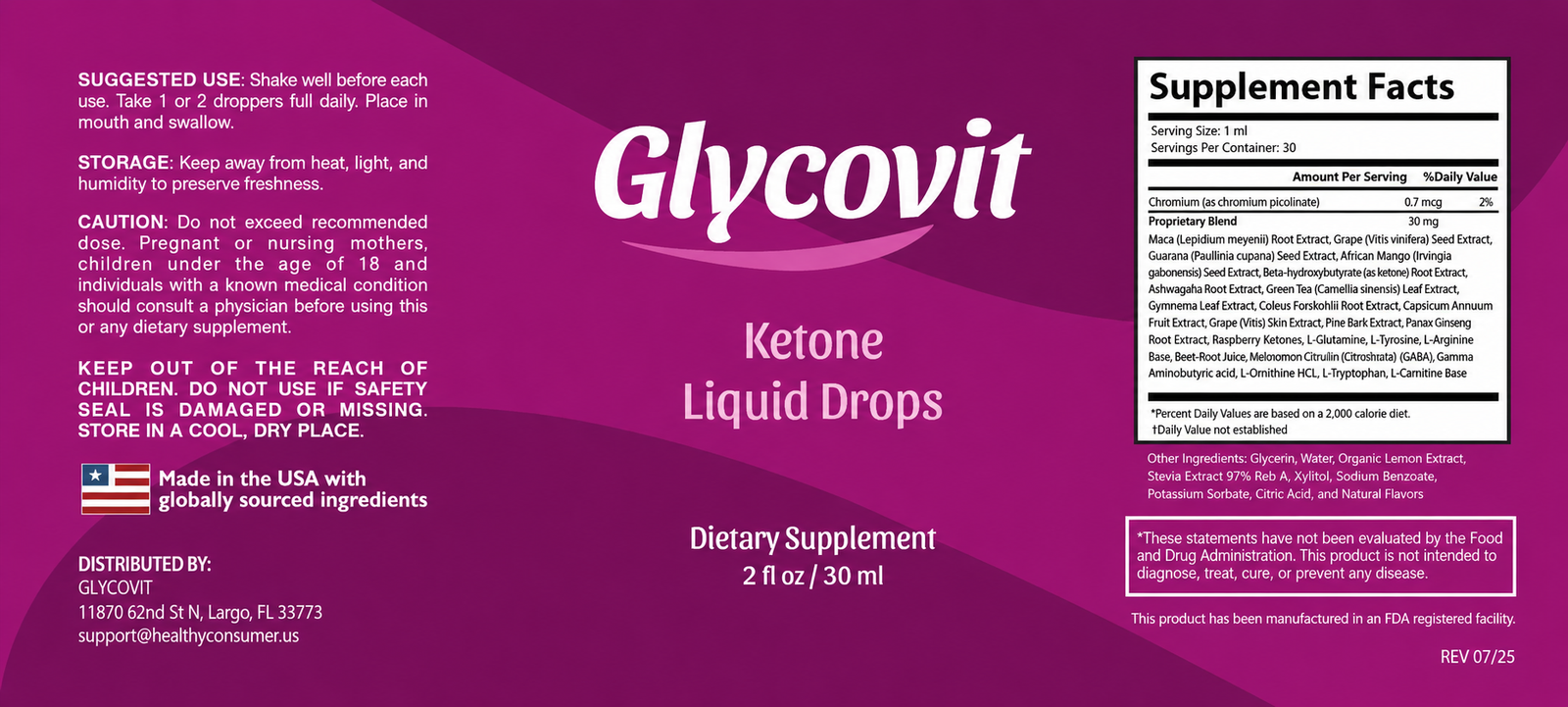
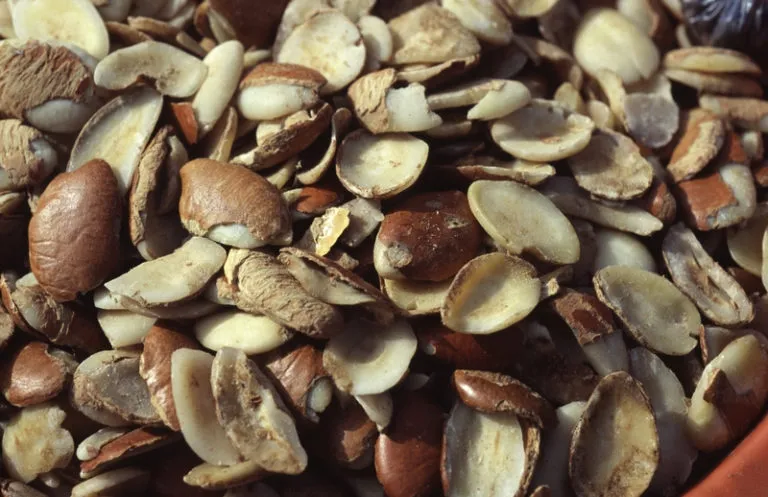
I started researching the mechanisms behind glucose regulation rather than just the dietary advice. What I found changed the way I understood the problem. Post-meal glucose spikes — even moderate ones from "healthy" foods — trigger insulin responses that, over time, contribute to insulin resistance. Green Tea's catechins have documented effects on glucose transporter activity. Cayenne's capsaicin has published research on glucose uptake and metabolism. African Mango's irvingiagabonensi compounds have documented effects on leptin sensitivity and fat metabolism. These weren't marketing claims. They were mechanisms I could trace through published research.
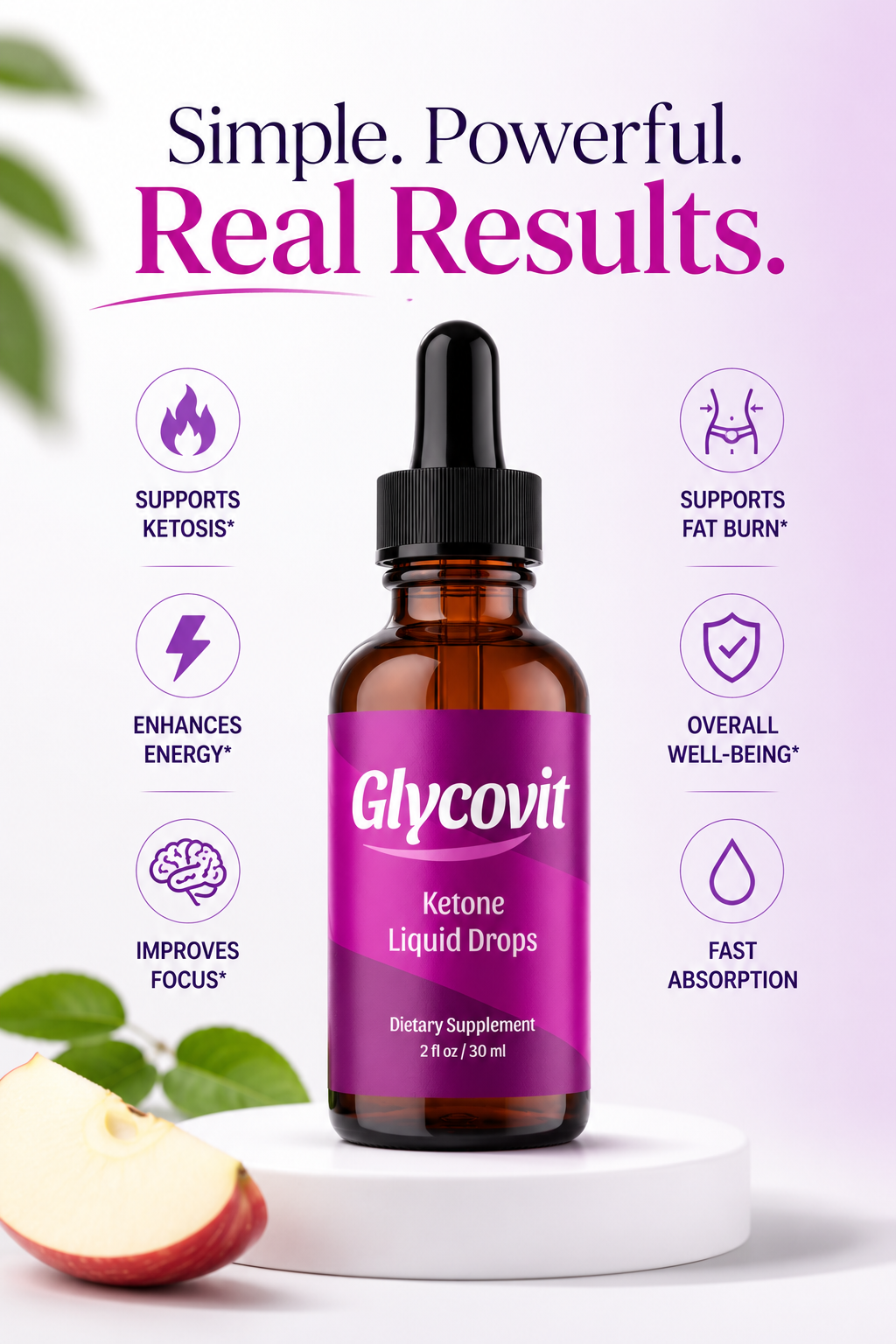
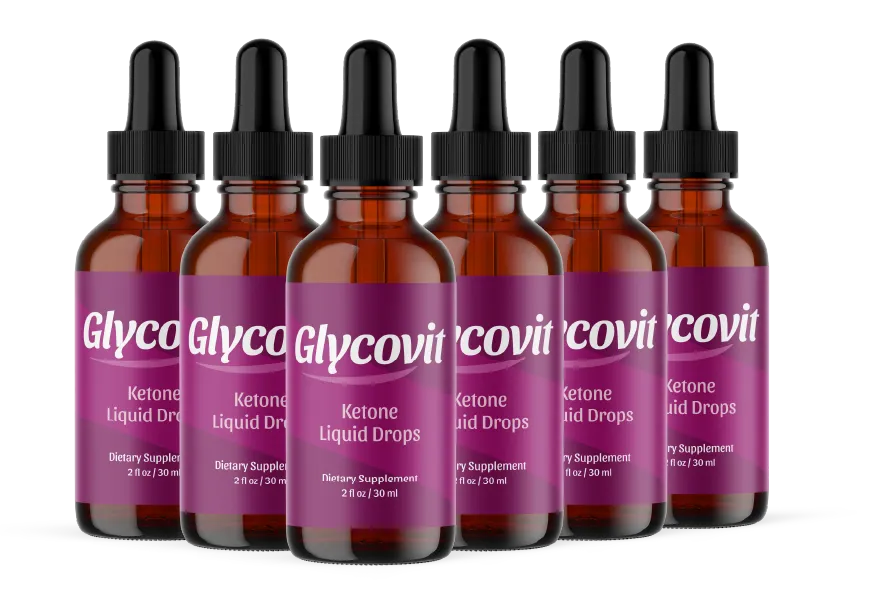
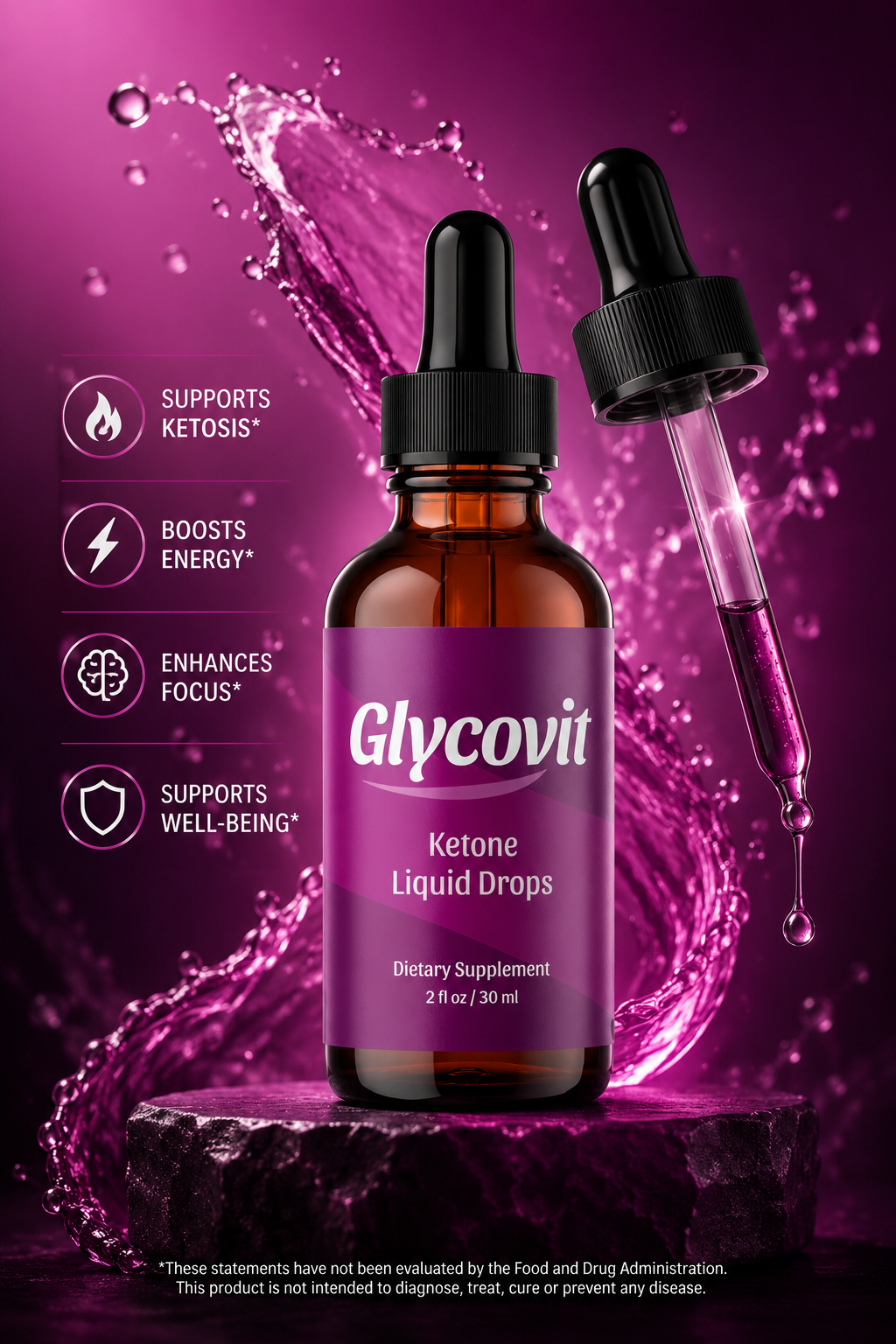
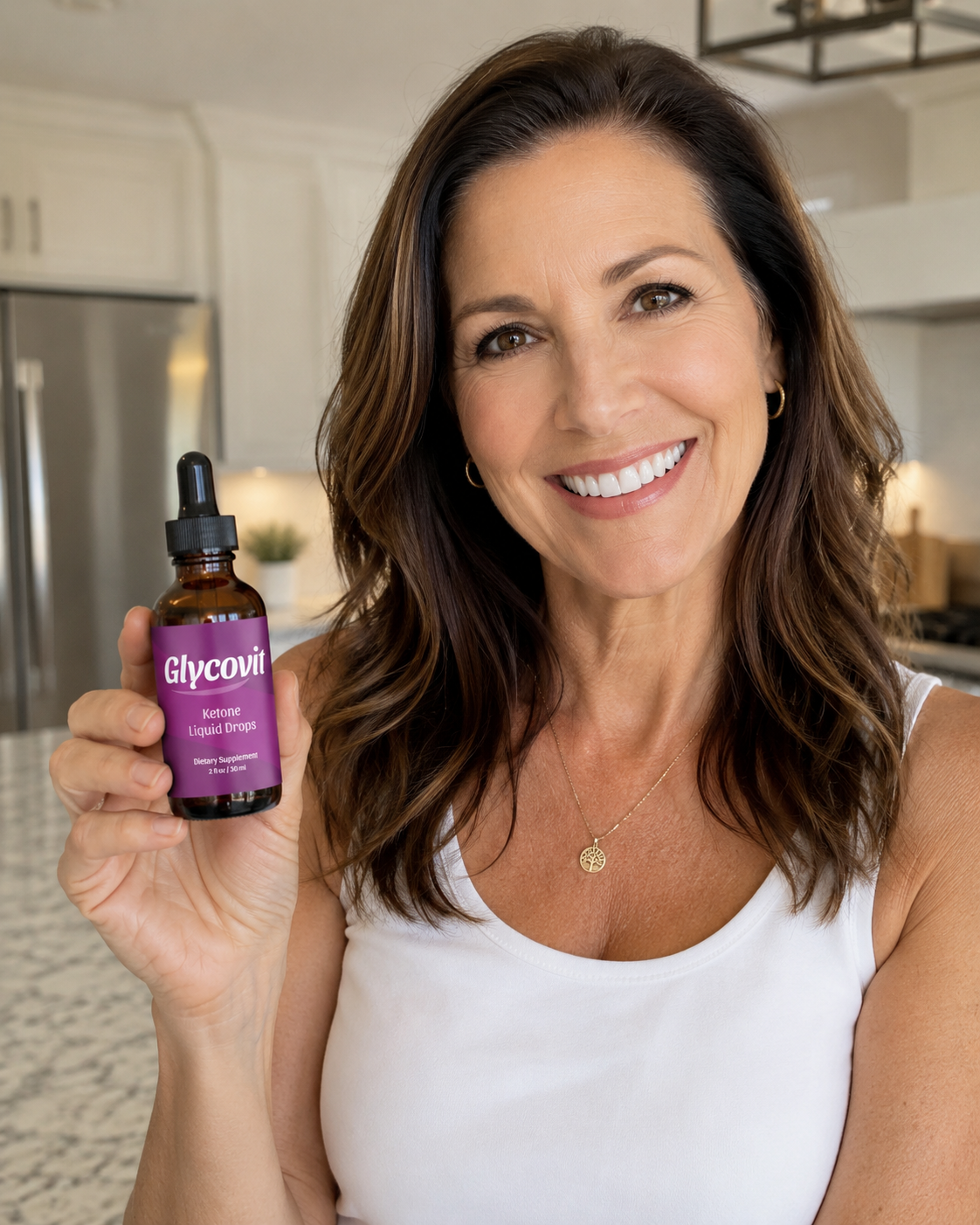
I found Glycovit as the formula that combined eight of these botanical compounds in a liquid drop format — better bioavailability than capsules, consistent daily dosing, no complicated protocols. I bought the 6-bottle kit with the 60-day guarantee and gave it a genuine trial.
What happened over the following months was the first real, consistent improvement I'd seen in three years of trying. Not dramatic. Progressive. And finally in the right direction.